Physical Address
304 North Cardinal St.
Dorchester Center, MA 02124
Physical Address
304 North Cardinal St.
Dorchester Center, MA 02124

DNS is one of those things everyone uses every day but almost nobody understands. Every time you type a website address into your browser, DNS is working...
Disclosure: This post contains affiliate links. If you make a purchase through these links, I may earn a small commission at no extra cost to you.
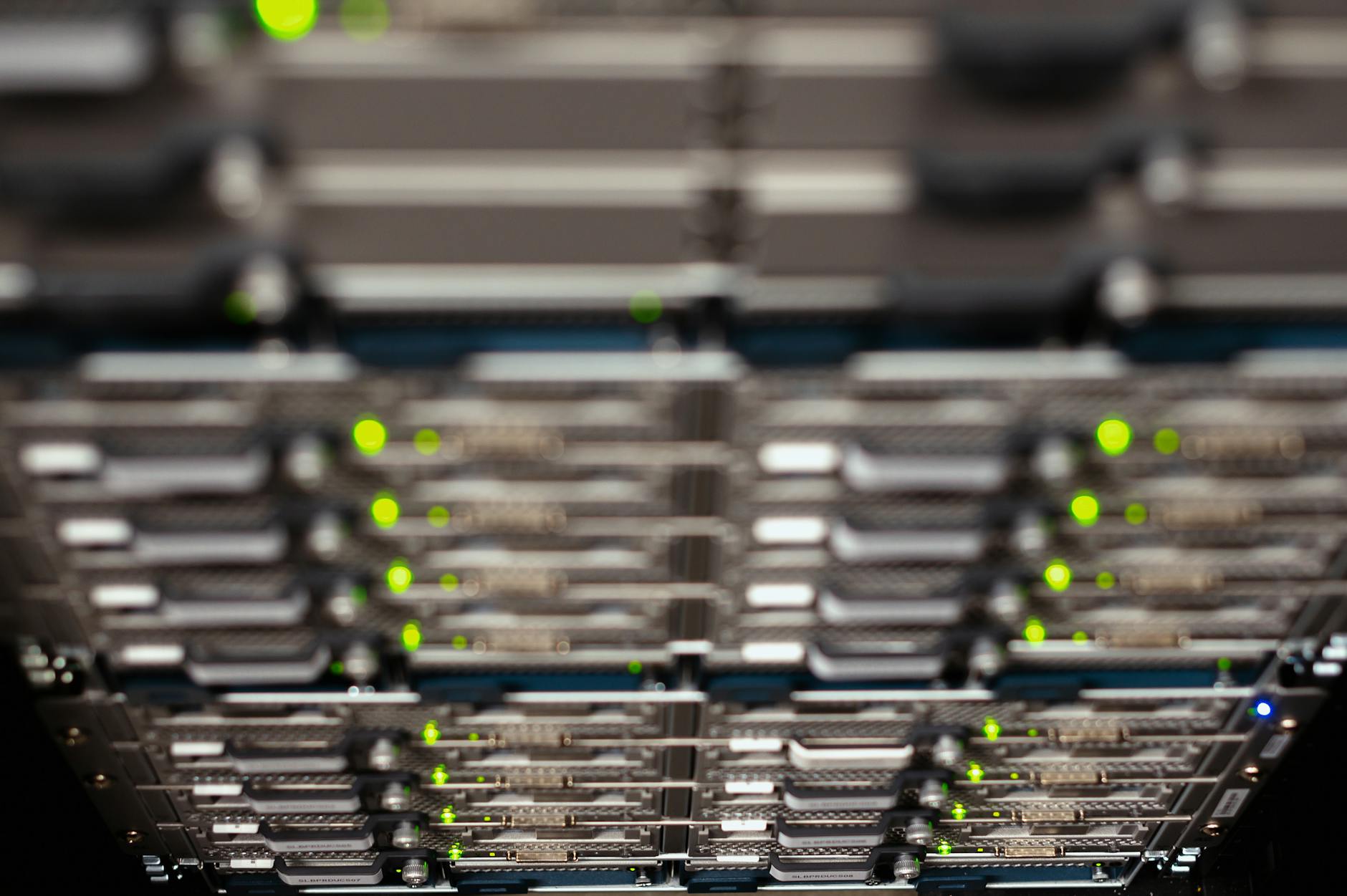
Photo by Brett Sayles — Pexels
DNS is one of those things everyone uses every day but almost nobody understands. Every time you type a website address into your browser, DNS is working behind the scenes to make that happen. Without it, you’d need to memorize numerical IP addresses like 172.217.14.206 instead of just typing google.com.
I remember the first time I had to troubleshoot a DNS issue for a client. Their website had been “down” for hours, but the server was actually fine. The problem was a misconfigured DNS record. Took me 30 minutes to figure out because I didn’t really understand how DNS worked. After that experience, I made myself learn it properly.
Here’s the explanation I wish someone had given me.
DNS stands for Domain Name System. Think of it as the phone book of the internet.
When you type “hostbeacons.com” in your browser:
This happens in milliseconds. You never see it. But if any step in this chain breaks, your website becomes unreachable — even if the server itself is running perfectly.
The full DNS lookup process involves several stops:
Your browser checks if it recently looked up this domain. If it did, it uses the cached IP address. This is why DNS changes sometimes seem to “not work” on your computer — your browser is using the old address.
If the browser doesn’t have it cached, it asks your operating system. Windows, Mac, and Linux all maintain their own DNS cache.
If your computer doesn’t have the answer, it asks your ISP’s DNS resolver (or whatever DNS server you’re configured to use — like Google’s 8.8.8.8 or Cloudflare’s 1.1.1.1). This server does the heavy lifting.
The resolver asks a root name server: “Who handles .com domains?” There are 13 root server clusters worldwide, run by organizations like ICANN, Verisign, and the US military.
The root server says: “Ask the .com TLD servers.” These servers know which nameservers are authoritative for each .com domain.
Finally, the resolver reaches the nameserver that actually has the DNS records for your domain. This is usually your hosting provider’s nameserver or a service like Cloudflare. It returns the actual IP address.
The whole process takes about 20-100 milliseconds. And results get cached at multiple levels, so subsequent lookups are nearly instant.

Photo by Sergei Starostin — Pexels
| Record Type | Purpose | Example |
|---|---|---|
| A Record | Points domain to IPv4 address | hostbeacons.com → 142.251.XX.XX |
| AAAA Record | Points domain to IPv6 address | hostbeacons.com → 2607:f8b0:… |
| CNAME | Aliases one domain to another | www.hostbeacons.com → hostbeacons.com |
| MX Record | Directs email to mail server | mail handled by smtp.google.com |
| TXT Record | Stores text data (SPF, DKIM, verification) | v=spf1 include:_spf.google.com |
| NS Record | Specifies authoritative nameservers | ns1.hosting.com, ns2.hosting.com |
A Record: The bread and butter. This tells the internet which server IP address your domain should point to. When you set up hosting, this is usually the first thing you configure.
CNAME: Makes “www.yourdomain.com” point to the same place as “yourdomain.com”. Also used for subdomains like “blog.yourdomain.com”.
MX Records: Essential for email. If you’re using Google Workspace or another email hosting service, MX records tell the internet where to deliver your emails.
When you change a DNS record, the change doesn’t happen instantly worldwide. Different DNS servers across the globe update at different times based on the TTL (Time To Live) setting — usually 1-48 hours.
This is why, after changing hosting providers or updating nameservers, some people see the new site while others still see the old one. It’s not broken — DNS is just propagating. We covered this in detail in our website migration guide.
Wait for propagation (up to 48 hours). Check status at whatsmydns.net. If it’s been over 48 hours, verify your A record points to the correct new server IP.
Check MX records. If you recently changed nameservers, your MX records might have reset. Re-add them for your email provider.
SSL certificates are tied to your domain’s DNS. If DNS isn’t resolving correctly, SSL validation fails. Make sure your A record is correct and pointing to the right server. Learn about SSL certificates and why they matter.

Photo by Christina Morillo — Pexels
Not really. If you buy hosting and a domain from the same provider, DNS is usually configured automatically. But knowing the basics helps you troubleshoot when things go wrong — and they eventually will.
Yes. A slow DNS resolver adds delay before your page even starts loading. Switching to Cloudflare’s DNS (1.1.1.1) or Google’s (8.8.8.8) can improve initial connection times by 30-80ms.
Nameservers tell the internet which DNS server is authoritative for your domain. DNS records (A, CNAME, MX, etc.) are the actual data stored on those nameservers. Think of nameservers as the library, and DNS records as the books inside.
DNS is invisible plumbing. You don’t need to become an expert, but understanding the basics — what A records, MX records, and nameservers do — saves you hours of confusion when setting up hosting, switching providers, or troubleshooting email issues. Bookmark this page for the next time a DNS change has you staring at a blank screen wondering why your site “disappeared.”


